5 Simple Steps: How to Read the Chinese Lunar Calendar Easily
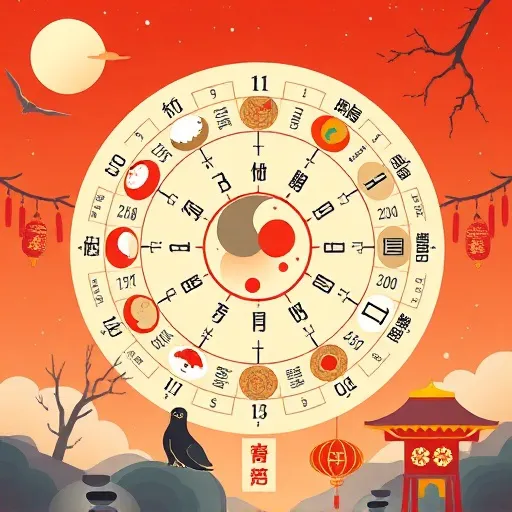
Lunisolar calendar e
What Exactly Is the Chinese Lunar Calendar?
First things first—and this surprises almost everyone: despite the name, the Chinese lunar calendar isn't purely lunar at all. It's actually a lunisolar calendar, which means it tracks both the moon phases and the solar position at the same time. That dual-tracking design is exactly why it stays roughly in step with the seasons, unlike a strictly lunar system that would drift. Understanding this one fact is the foundation of how to read the Chinese lunar calendar without getting confused later.
The whole system runs on a 60-year cycle, built from repeating combinations of 10 heavenly stems and 12 earthly branches. That's where the famous zodiac animals come from—2026, for example, is the Year of the Horse, specifically a Fire Horse year. Each lunar month begins on the day of a new moon, and a full lunar month lasts about 29.5 days, which is why lunar months alternate between 29 and 30 days. If you want to master how to read the Chinese lunar calendar, these alternating month lengths are one of the first patterns to internalize.
Here's a quick side-by-side that makes things click:
- Gregorian calendar: a solar calendar, 12 months, 365/366 days, mostly fixed month lengths.
- Chinese lunar calendar: a lunisolar calendar, usually 12 months, 29–30 days per month, with a leap month added about every three years.
The Core Components of a Lunar Calendar Date: Months, Days, and Leap Months Explained
When you look at a traditional Chinese calendar page, you're not just seeing "Month 8, Day 15." You're seeing layers stacked on layers. Let's unpack the main components you need to recognize—this is step one of how to read the Chinese lunar calendar accurately.
1. The Lunar Month. Lunar months are numbered 1 through 12, but they don't line up with January–December on the Gregorian calendar. For instance, the first lunar month typically starts somewhere between late January and late February. Each month is either a "big month" (30 days) or a "small month" (29 days), tied directly to the moon phases.
2. The Lunar Day. Days are numbered 1 through 30 within each month. Simple enough—but here's the catch: the lunar day begins at midnight in modern practice, though traditionally it was tied to the day boundaries used in historical timekeeping systems.
3. The Leap Month. This is where beginners get lost. Because 12 lunar months only add up to about 354 days—roughly 11 days short of a solar year—the calendar would drift out of sync with the seasons if left alone. To fix this, an extra leap month is inserted roughly every 2–3 years, following a complex astronomical calculation based on the sun's position. So you might see something like "Leap Month 6". That month comes after regular Month 6 and repeats its number. If you're planning anything date-sensitive—like a lunar birthday or a traditional festival—make sure you know whether it falls in the regular month or the leap month. This is one of the most common mistakes people make when learning how to read the Chinese lunar calendar.
4. The 24 Solar Terms. Scattered throughout the calendar are 24 solar terms—markers based on the sun's position that divide the year into agricultural seasons. Terms like "Start of Spring," "Grain Rain," and "Winter Solstice" appear on specific dates. These aren't lunar at all; they're solar markers embedded into the lunisolar system. Many traditional festivals and farming activities are tied to them.
How to Read the Chinese Lunar Calendar Step by Step: Gregorian Anchors and Chinese Characters
Okay, let's get practical. Here's a simple walkthrough for reading any lunar calendar date you encounter—a reliable method for how to read the Chinese lunar calendar in everyday situations.
Step 1: Locate the Gregorian equivalent. Most printed and digital Chinese calendars show both the Gregorian date and the lunar date side by side. Find the Gregorian date first—it's your anchor. The lunar date is usually printed in smaller characters below or beside it.
Step 2: Identify the month and day characters. Lunar dates are written in Chinese characters, so learn these basics:
- Months: (Month 1), (Month 2), (Month 3), and so on up to (Month 12).
- Days 1–10: , , ... up to .
- Days 11–19: , ... .
- Days 20–29: , (or )... .
- Day 30: .
So " " reads as Month 8, Day 15—which happens to be the Mid-Autumn Festival. Once you recognize these patterns, reading dates becomes surprisingly quick, and how to read the Chinese lunar calendar starts feeling intuitive rather than intimidating.
Step 3: Check for a leap month marker. Look for the character (rùn) before a month number. If it's there, you're in a leap month, and you need to be precise about whether an event falls in the regular or leap version of that month.
Step 4: Note the zodiac and stem-branch info. Traditional calendars also display the year's zodiac animal and its heavenly stem/earthly branch combination. In 2026, that's the Year of the Horse, specifically a Fire Horse year. This matters for cultural practices, astrology enthusiasts, and anyone following traditional customs.
Step 5: Cross-reference solar terms. If the date you're reading falls near a solar term marker, it may carry seasonal significance. This is especially useful for understanding festivals like Qingming (tied to a solar term) versus festivals like Lunar New Year (tied to the lunar month).
Why Mastering How to Read the Chinese Lunar Calendar Still Matters in 2026
You might wonder: in an era of instant digital conversion, why bother learning to read the calendar manually? Fair question. Here are a few solid reasons:
- Cultural literacy: Major traditional festivals—Lunar New Year, Dragon Boat Festival, Mid-Autumn Festival—are all set by the lunar calendar. Knowing how to read the Chinese lunar calendar helps you plan around them instead of being caught off guard.
- Travel planning: If you're visiting regions where the lunar calendar shapes holidays and business closures, reading it yourself gives you a real advantage.
- Personal milestones: Many families celebrate lunar birthdays, choose auspicious dates for weddings, or observe traditional remembrance days. Reading the calendar correctly prevents embarrassing mix-ups.
- Digital tools still need human interpretation: Apps convert dates, but they don't always explain leap months or solar terms clearly. Understanding the lunisolar system makes you a smarter user—and honestly, that's the real secret to how to read the Chinese lunar calendar with confidence.
Common Pitfalls in the Chinese Lunisolar Calendar and How to Avoid Them
Even seasoned users trip up on a few things. Here's what to watch for as you build your skills in how to read the Chinese lunar calendar.
The leap month confusion. As mentioned, leap months repeat a month number. If someone says their birthday is "Month 6, Day 12," ask whether that's the regular Month 6 or the leap Month 6—especially in years that have one. In 2026, check whether a leap month occurs before assuming.
Assuming the new year starts January 1. The Lunar New Year falls on the second new moon after the winter solstice—usually between January 21 and February 20. Never assume January 1 starts the lunar year. This is a classic beginner stumble on the path to how to read the Chinese lunar calendar.
Mixing up solar and lunar festivals. Some festivals follow the lunar calendar (Lunar New Year, Mid-Autumn), while others follow solar terms (Qingming). Knowing which is which keeps your planning accurate.
Tools and Techniques for Faster Chinese Lunar Calendar Reading and Date Conversion
Beyond manual reading, here are practical aids that speed up how to read the Chinese lunar calendar:
- Dual-display calendars: Physical wall calendars often show both the Gregorian calendar and the lunar calendar. Keep one in your workspace.
- Conversion apps: Reputable calendar apps convert dates instantly—just verify leap month handling.
- Reference charts: Print a character chart for months and days and keep it handy until you've memorized them.
- Practice with known dates: Start with famous festivals—once you can locate Lunar New Year and Mid-Autumn on a calendar, you've got the fundamentals of how to read the Chinese lunar calendar down.
One more thing worth knowing: how to read the Chinese lunar calendar isn't just about decoding characters—it's about understanding the logic underneath. The lunisolar system, the new moon month starts, the leap month corrections, and the solar terms all work together. Master those four concepts, and you'll read any lunar calendar with confidence—whether you're planning around the 2026 Year of the Horse celebrations or simply satisfying your curiosity about a calendar tradition refined over thousands of years.
BaZi Chart Analysis
Understand your Four Pillars of Destiny and elemental balance
Feng Shui Consultation
Harmonize your environment with ancient spatial wisdom
Zodiac Compatibility
Explore relationships through the twelve animal signs
Frequently Asked Questions
What is the basic structure of the Chinese lunar calendar and how does it differ from the Gregorian calendar?
The Chinese lunar calendar is a lunisolar system where months begin at the new moon and the year is adjusted with leap months to stay aligned with the solar year. Unlike the Gregorian calendar, which is purely solar, the lunar calendar relies on both moon phases and solar terms to determine dates and festivals.
How can I accurately read and interpret the dates on a Chinese lunar calendar?
Start by identifying the lunar month and day, which are usually printed in smaller Chinese characters alongside the Gregorian date. Pay attention to leap month indicators and solar term markers to understand seasonal shifts and festival timing.
What are the common safety or accuracy concerns when using a Chinese lunar calendar for planning events?
Accuracy depends on the data source; reputable calendars are astronomical-based, but some simplified versions may have minor errors. Always verify critical dates like festivals or auspicious days with a trusted almanac or official astronomical source.
Are there costs involved in accessing accurate Chinese lunar calendar information?
Basic lunar calendar information is freely available through many public websites and printed almanacs. Premium features like personalized auspicious date selection or detailed almanac data may require a fee from specialized services.
How do I convert a Gregorian date to the Chinese lunar calendar accurately?
Use a reliable conversion tool or almanac that accounts for leap months and time zone differences. Manual conversion requires understanding the 60-year cycle and solar term boundaries, which can be complex without reference tables.
What should I consider when choosing a Chinese lunar calendar for personal or professional use?
Select a calendar that clearly marks solar terms, leap months, and daily auspicious/inauspicious activities if needed. For professional use, prioritize sources affiliated with astronomical observatories or reputable cultural institutions.
How accurate are digital Chinese lunar calendar apps compared to traditional printed almanacs?
Digital apps can be highly accurate if they use astronomical algorithms and update data regularly. Traditional printed almanacs are authoritative but may lack real-time adjustments; both should be verified against official sources for critical dates.
What are the key solar terms in the Chinese lunar calendar and why are they important for reading the calendar?
The 24 solar terms are markers based on the sun's position that divide the solar year into seasonal segments. They are crucial for understanding agricultural cycles, festival timing, and the placement of leap months in the lunisolar system.
How can I determine if a year has a leap month in the Chinese lunar calendar?
A leap month occurs when there are 13 new moons between two winter solstices, requiring an extra month to align with the solar year. You can identify it by checking if the calendar lists a repeated month number with a (leap) prefix.
What resources are recommended for learning to read the Chinese lunar calendar independently?
Start with introductory guides from cultural or astronomical institutions that explain the lunisolar system and solar terms. Practice by comparing lunar and Gregorian dates using official conversion tables and almanacs.