5 Proven Steps: How to Balance Five Elements in My Home Today
Five elements home b
What Are the Five Elements, Really? A Beginner's Guide to Wood, Fire, Earth, Metal, and Water in Your Space
If you've ever wondered how to balance five elements in my home, you're probably starting with the same question everyone does: what are they, exactly? The five elements framework — Wood, Fire, Earth, Metal, and Water — comes from traditional Eastern philosophy, but here's the thing: you don't need to subscribe to any belief system to benefit from it. Think of it as an ancient precursor to modern environmental psychology: a practical system for describing how different materials, colors, shapes, and energies interact in a space. Learning how to balance five elements in my home starts with understanding what each one actually represents.
Wood, Fire, Earth, Metal, and Water: The Five Elements and Their Core Qualities
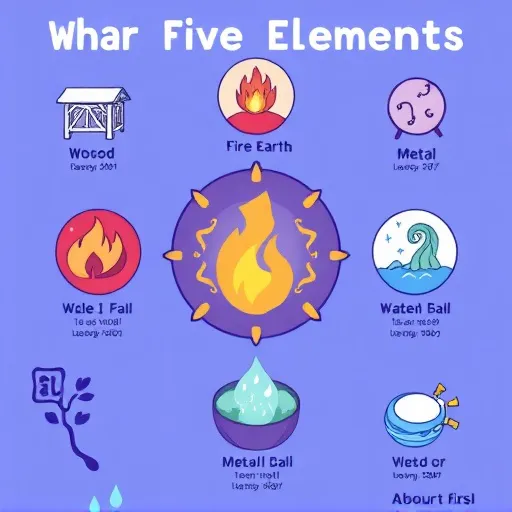
Here's the quick breakdown so you can picture each element in your mind:
- Wood — growth, vitality, upward movement. Represented by plants, natural fibers, tall shapes, and green tones.
- Fire — passion, warmth, visibility. Represented by actual flames, reds and oranges, triangular shapes, and bright lighting.
- Earth — stability, grounding, nourishment. Represented by ceramics, stone, yellow and beige tones, and square shapes.
- Metal — clarity, precision, structure. Represented by metal finishes, white and gray tones, and circular or arched forms.
- Water — flow, wisdom, rest. Represented by glass, mirrors, dark blues and blacks, and organic, wavy shapes.
Each element supports and controls another in a continuous cycle — a concept often called the productive and controlling cycles. Wood feeds Fire, Fire creates Earth (ash), Earth forms Metal, Metal carries Water, and Water nourishes Wood. Meanwhile, each element also keeps another in check. The goal isn't to max out every element equally; it's to create a balanced distribution where no single energy dominates. That's the heart of how to balance five elements in my home — it's about harmony, not equality.
Why the Five Elements Framework Matters More Than Ever in 2026
Here's something worth noting: home environments have changed dramatically over the past few years. Remote and hybrid work are now standard for a huge portion of the workforce, which means our homes are doing double and triple duty — office, gym, classroom, sanctuary. A 2026 survey from a leading wellness research group found that over 60% of remote workers report their home environment directly affects their mood and productivity. The five elements framework is essentially a checklist for environmental balance, and it's more relevant than ever when your home is also your workplace. Understanding how to balance five elements in my home has become a genuine wellness skill, not just a design hobby.
What's more, the design world has fully embraced biophilic and sensory-aware interiors — and much of that trend overlaps neatly with five-element principles. Natural materials, layered lighting, and intentional texture are all having a moment, which makes this the perfect time to apply the framework. If you've been searching for how to balance five elements in my home, you're actually riding the same wave as professional interior designers.
The Core Principle: Balance, Not Equality, When You Balance Five Elements in My Home
Before we go room by room, let's clear up the biggest misconception. Balancing the five elements does not mean putting an equal amount of each element in every room. That would feel chaotic and forced — and honestly, it's the fastest way to get how to balance five elements in my home completely wrong.
Instead, think of it like a recipe. Some rooms naturally lean toward certain elements — a home office benefits from Metal's clarity and Wood's focus, while a bedroom thrives on Water's calm and Earth's grounding. The art is in making sure no single element overwhelms a space and that missing elements get gently introduced. A seasoned practitioner in feng shui consulting once described it to me as "seasoning a dish" — you don't taste each spice separately, but the whole thing feels right. That's the mindset shift you need for how to balance five elements in my home: think flavor, not inventory.
How to Diagnose an Imbalanced Space Before You Balance Five Elements in My Home
Before you start rearranging furniture, do a walkthrough. Here are the telltale signs of element imbalances — and catching them is step one of how to balance five elements in my home:
Signs of Excess: Too Much Fire, Water, Metal, Earth, or Wood Energy
- Too much Fire: The room feels overstimulating, cluttered with bright colors, or you can't relax in it. Think of a space that feels "loud" even when it's quiet.
- Too much Water: The space feels cold, stagnant, or emotionally heavy — lots of dark tones and glass but nothing anchoring.
- Too much Metal: Clinical, sterile, or sharp. It looks impressive but feels unwelcoming.
- Too much Earth: Heavy, dense, or cluttered with objects. You feel weighed down rather than grounded.
- Too much Wood: Overgrown — plants everywhere, but no breathing room or structure.
Signs of Deficiency: Missing Fire, Water, Metal, Earth, or Wood Elements
- Missing Fire: The room feels flat, dim, or lifeless. No focal point, no warmth.
- Missing Water: You can't unwind there; it feels rigid or restless.
- Missing Metal: The space feels disorganized or fuzzy — no crisp edges or clarity.
- Missing Earth: You feel unanchored, like the room has no "center."
- Missing Wood: Stagnant and static — nothing growing, nothing fresh.
A quick trick: describe your room with three adjectives. If they're all "cozy, warm, soft," you might be Fire-and-Earth heavy with no Metal or Water. If they're all "clean, minimal, sleek," you're likely Metal-dominant and could use Wood and Earth. This simple exercise is a fast way to assess how to balance five elements in my home room by room.
Room-by-Room: How to Balance Five Elements in My Home, Space by Space
The Living Room as an Elemental Showcase of Wood, Fire, Earth, Metal, and Water
The living room is where balance matters most because it's the social heart of the home. Start with Earth as your anchor — a solid coffee table in stone or wood, a textured rug in a warm neutral tone. Add Wood through a statement houseplant or two (not ten). Introduce a touch of Fire with warm lighting or a deep red accent cushion. Metal comes in through a framed mirror or slim metal legs on furniture. And Water? A glass vase, a reflective surface, or a soft navy throw completes the picture. This is how to balance five elements in my home without making it look like a showroom.
The key is layering rather than stacking. A seasoned practitioner will tell you that the best living rooms feel composed, not collected. When you're figuring out how to balance five elements in my home, restraint is your friend.
The Bedroom: Water and Earth Dominance for Rest and Grounding
Bedrooms should lean calm. Water and Earth are your friends here — soft blues, warm beiges, natural linen, and a grounded bed frame. Keep Fire minimal (no blaring reds, no screens if you can help it) and use Metal sparingly for clarity, perhaps in a simple metal reading lamp. A small plant for Wood is fine, but avoid a jungle — sleep spaces do better with restraint. This room is a perfect example of how to balance five elements in my home by leaning into what the space naturally wants to be.
The Home Office: Wood and Metal in Partnership for Focus and Clarity
If you work from home, this room deserves special attention. Wood supports focus and growth; Metal supports clarity and structure. A wooden desk paired with clean metal shelving is almost a textbook combination. Add a small plant, a task lamp with warm (Fire) lighting, and an Earth-toned chair or rug to keep you grounded during long work sessions. This is one of the most searched room-balancing topics in 2026, largely because remote work isn't going anywhere — and it's a great starting point for how to balance five elements in my home if you work remotely.
The Kitchen: Fire, Earth, and Water Working Together
The kitchen is naturally Fire-dominant (cooking) and Water-heavy (sinks, refrigeration). Balance it with Earth — wooden cutting boards, ceramic storage, stone countertops — and a touch of Metal through fixtures and appliances. Wood accents like open shelving or a herb garden bring softness. Watch for Fire overload: if everything is red, glossy, and bright, calm it with neutral ceramics. Kitchens are a surprisingly common blind spot when people learn how to balance five elements in my home.
The Bathroom: Water Needs Earth and Wood to Stay Balanced
Bathrooms are the most Water-dominant rooms in any home, and excess Water can feel cold or draining. Anchor it with Earth — stone tiles, warm wood tones, natural fiber towels — and add Wood through a humidity-loving plant. A warm-toned light fixture (Fire) and simple metal fixtures (Metal) complete the balance nicely. Even small rooms benefit from how to balance five elements in my home thinking.
Practical Adjustments for How to Balance Five Elements in My Home This Weekend
You don't need a renovation budget. Try these small, high-impact moves:
- Swap one thing, not everything. Replace a single red accent with a navy one, or add one plant to a sterile corner.
- Audit your lighting. Layered lighting — warm ambient, task, and accent — covers Fire and Metal simultaneously.
- Declutter by element. Clutter is often excess Earth. Clearing surfaces restores flow.
- Use mirrors strategically. Mirrors introduce Water and can visually expand tight spaces — but don't overdo it.
- Rotate with the seasons. Lean Wood and Fire in spring and summer; shift toward Metal and Water in autumn and winter.
Each of these is a tiny lesson in how to balance five elements in my home — small, repeatable, and low-cost. Do one this weekend and see how the room responds.
The Deeper Benefit: A Home That Supports Your Wellness and Mood
Ultimately, the five elements aren't about superstition — they're about intentionality. When you balance five elements in your home, you're really asking: does this space support how I want to feel and live? A leading expert in environmental psychology has noted that sensory coherence — when a room's colors, materials, and proportions agree with each other — reduces cognitive load and improves wellbeing. That's exactly what elemental balance produces, and it's the real payoff of learning how to balance five elements in my home.
So start small. Pick one room, run through the five elements checklist, and make a single adjustment. Then notice how the space feels. That feedback loop — adjust, observe, refine — is the real practice. And it's one you can keep refining for years, because homes, like the people in them, are always changing. The more you practice how to balance five elements in my home, the more intuitive it becomes.
Quick Reference: A Five Elements Cheat Sheet for Materials, Colors, and Shapes
- Wood: plants, wood furniture, green, tall shapes, linen
- Fire: candles, warm lighting, red/orange, triangles, sunlight
- Earth: ceramics, stone, beige/yellow, squares, natural fibers
- Metal: metal fixtures, white/gray, circles, clean lines
- Water: glass, mirrors, navy/black, wavy shapes, reflective surfaces
Bookmark this list, walk your home with fresh eyes, and you'll be surprised how quickly a few thoughtful touches can shift the entire atmosphere. Balance isn't a destination — it's a practice, and your home is the perfect place to start mastering how to balance five elements in my home.
BaZi Chart Analysis
Understand your Four Pillars of Destiny and elemental balance
Feng Shui Consultation
Harmonize your environment with ancient spatial wisdom
Zodiac Compatibility
Explore relationships through the twelve animal signs
Frequently Asked Questions
What is the five-element balance concept and why does it matter for my home in 2026?
The five-element balance concept is a traditional framework that maps wood, fire, earth, metal, and water to colors, materials, shapes, and spatial zones. In 2026, more homeowners use it as a practical design lens to create calmer, more functional living spaces rather than a strict rulebook. It matters because a balanced layout can reduce visual clutter and support different activities in different rooms.
How do I assess which elements are currently dominant or missing in my home?
Start with a room-by-room inventory of dominant colors, materials, shapes, and lighting, then note which elements appear repeatedly and which are absent. A simple walkthrough with a checklist is usually enough for most homes, and smartphone apps can help catalog visual patterns. Focus on the rooms you use most, since those have the greatest impact on daily comfort.
What are practical, low-cost ways to balance the five elements in a small apartment?
Small apartments benefit from multi-functional adjustments such as changing textiles, adding a plant, or swapping a lamp shade rather than remodeling. You can introduce missing elements through removable decor, scent, and lighting rather than permanent structural changes. Keep changes modular so you can test what feels right before investing more.
Which rooms should I balance first, and are there safety concerns with water or fire elements?
Prioritize bedrooms, living areas, and entryways because they affect rest, social connection, and first impressions. Safety is important when introducing water or fire elements, especially in homes with children, pets, or limited ventilation. Choose enclosed or low-risk versions of these elements and follow local electrical and fire safety guidance.
How much should I expect to spend to balance five elements in a typical home in 2026?
Costs vary widely, but most homeowners can achieve meaningful balance through decor updates rather than renovation, often in the low to mid hundreds of dollars per room. A staged approach lets you spread spending across several months and avoid unnecessary purchases. Always set a budget before shopping and prioritize reversible changes first.
How accurate or reliable is five-element balancing for home design decisions?
Five-element balancing is best treated as a complementary design framework rather than a scientifically validated method, so it should support rather than replace practical considerations like ventilation, ergonomics, and safety. Its reliability depends on how thoughtfully you apply it and how well it aligns with your actual daily needs. Use it as a creative and organizational tool, not as a guarantee of specific outcomes.
What should I look for when choosing five-element decor products or consulting a professional?
Look for products that fit your existing style, are easy to maintain, and meet safety and quality standards rather than relying on marketing claims. If consulting a professional, ask about their design background, portfolio, and how they integrate traditional frameworks with modern safety and functionality. Avoid anyone who pressures you into expensive permanent changes without clear reasoning.
Can I balance five elements through lighting, plants, and scent without buying new furniture?
Yes, lighting, plants, and scent are among the most flexible ways to shift elemental balance because they change atmosphere without major expense. Warm dimmable lighting can introduce fire and earth qualities, while plants add wood and natural texture. Scent and essential oils can reinforce a room's intended mood, but use them with ventilation and sensitivity in mind.
How often should I rebalance the five elements in my home, and what signs suggest it is time?
A seasonal review, such as at the start of spring and autumn, is a practical rhythm for most households. Signs that it is time include feeling unsettled in a room, frequent furniture rearranging, or major life changes like a new job or household member. Rebalancing does not require a full overhaul; small targeted adjustments are often enough.
What common mistakes should I avoid when trying to balance five elements at home?
A common mistake is treating the framework as a strict checklist and overloading a room with symbolic objects that reduce comfort and functionality. Another is ignoring safety, ventilation, and maintenance when adding water, fire, or heavy decor elements. Finally, avoid making permanent changes before testing temporary versions of the same idea.