7 Easy Steps: How to Read Face Reading for Beginners in 2026
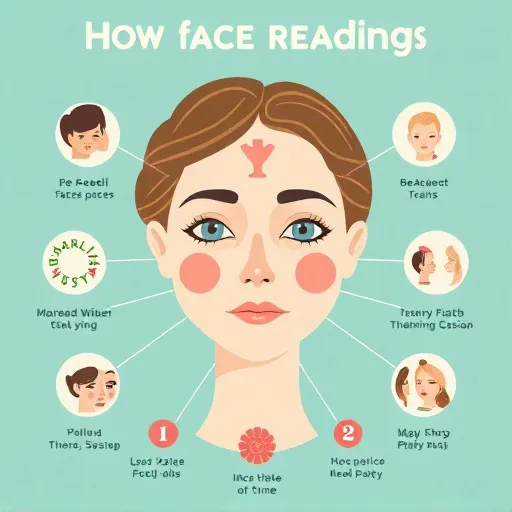
Face reading explain
What Is Face Reading, Exactly?
So, what is face reading really all about? Sometimes called physiognomy or facial interpretation, it's the art and science of observing facial features to get insight into someone's character, emotional tendencies, health patterns, and even their potential life path. Here's the thing: it's not about judging people or making absolute predictions. Instead, it's a nuanced observational skill that blends traditional wisdom with modern psychological understanding. If you've been curious about how to read face reading for beginners, this is the perfect starting point, because the fundamentals are simpler than most people expect.
Think of it this way: your face is a living record of your experiences. Every laugh line, every furrowed brow, every subtle shift in your jaw tension tells a story. Face reading teaches you to pay attention to those stories. In 2026, with remote work and digital communication everywhere, understanding non-verbal cues through facial analysis has become a genuinely valuable skill for professionals and everyday people alike. Learning how to read face reading for beginners means training yourself to notice what most people scroll right past.
Plenty of practitioners combine face reading with other disciplines like body language analysis, micro-expression recognition, and personality typology systems to build a more holistic picture of a person. This integrated approach reflects the modern trend toward multi-disciplinary personal development. Once you grasp how to read face reading for beginners, you can layer it on top of everything else you already know about human behavior.
Why Understanding Facial Interpretation Matters for Beginners in 2026
You might be wondering why anyone would bother with how to read face reading for beginners in an age of AI and instant information. The answer is surprisingly simple: human connection. As technology sinks deeper into daily life, the ability to genuinely understand people face-to-face has become rare and precious. And honestly, knowing how to read face reading for beginners gives you a real edge in that department.
Here are a few compelling reasons to start your journey:
- Enhanced communication: Understanding facial signals helps you respond more empathetically in conversations.
- Better first impressions: You'll learn what your own features communicate to others and how to present yourself more authentically.
- Improved relationships: Recognizing emotional patterns in a partner's or colleague's face can reduce misunderstandings.
- Self-discovery: Your own face reveals aspects of your personality and life experiences you may not have consciously noticed.
- Professional advantage: Negotiators, counselors, HR pros, and salespeople use facial analysis techniques to build rapport and read situations more accurately.
The Three Facial Zones: A Simple Framework for Reading Any Face
Traditional face reading splits the face into three horizontal zones, sometimes called the "three divisions of life." Understanding these zones gives you a framework for reading any face you encounter — and it's the first thing anyone should master when learning how to read face reading for beginners.
- Upper zone (forehead): Associated with intellect, analytical thinking, and early life experiences. A broad, smooth forehead is often linked to curiosity and mental agility. Lines here can indicate someone who thinks deeply or has faced mental challenges.
- Middle zone (eyebrows to nose base): Relates to emotional life, relationships, and career energy. The eyes, nose, and cheekbones reveal how someone processes emotions and interacts with the world.
- Lower zone (mouth to chin): Connects to willpower, physical vitality, and later-life stability. A strong jawline often suggests determination, while a softer chin may indicate flexibility and adaptability.
As a beginner, start by simply observing which zone seems most prominent. Is the forehead expansive? Is the jaw strong? These initial observations form the foundation of your facial feature analysis practice — and honestly, that's the easiest way to learn how to read face reading for beginners without getting overwhelmed.
Reading the Eyes and Eyebrows: Windows Into Personality and Emotion
The eyes carry enormous significance in face reading. They're considered the most revealing feature on the face. Shape, spacing, and energy tell you volumes about a person's inner world. When you're figuring out how to read face reading for beginners, the eyes are where you should spend most of your attention.
- Wide-set eyes: Often associated with open-mindedness, tolerance, and a broad perspective.
- Close-set eyes: Typically linked to focus, detail-orientation, and an intense personality.
- Almond-shaped eyes: Considered balanced and versatile.
- Round eyes: Associated with expressiveness, emotional transparency, and curiosity.
- Deep-set eyes: Linked to introspective, thoughtful, sometimes mysterious personalities.
Pay attention to eye movement too. Rapid movement suggests active thinking, while a steady gaze indicates confidence. Learning to read these ocular signals is a core part of how to read face reading for beginners.
Eyebrows get overlooked, but they're one of the most expressive features on the face. Thick, full brows point to strong opinions and direct communication. Thin brows suggest diplomacy and a preference for harmony. Arched brows indicate ambition and creativity, while straight brows are associated with logic and fairness. A unibrow or closely-spaced brows traditionally links to intense focus and a detail-oriented personality type.
Going Deeper: Nose, Mouth, Ears, and Face Shape Fundamentals
The nose represents the "self" in face reading. It's tied to ambition, career drive, and how a person asserts their identity. A prominent nose often indicates a strong sense of self and a desire to lead, while a smaller nose suggests grace and a collaborative spirit. The tip of the nose is said to reflect a person's relationship with wealth and self-worth.
The mouth is the primary communication center. Full lips are associated with warmth and emotional expression; thin lips with precision and discretion. A wide mouth suggests social confidence, while a small mouth often indicates careful speech and a private nature.
Ear shape and size reveal how someone takes in information. Large ears link to wisdom and receptivity. Ears set close to the head suggest independence, while ears that stand out may indicate unconventional thinking and a willingness to break the rules.
Face shapes carry different energetic signatures too — oval (balance and diplomacy), round (friendliness and warmth), square (strength and reliability), heart-shaped (creativity and intuition), and long (thoughtfulness and analytical depth). When learning how to read face reading for beginners, identifying the dominant shape gives you solid groundwork.
Practical Exercises to Build Your Skills Step by Step
Reading about face reading is one thing — actually practicing is another. Here are simple exercises to build your skills:
- People-watch (respectfully): Sit in a coffee shop or park and observe facial features from a distance. Notice shapes, lines, and expressions without staring. This builds your visual observation skills.
- Study your own face: Spend time in front of a mirror analyzing your own features. It's the safest and most personal way to develop your facial interpretation abilities.
- Start with the three zones: Practice identifying the upper, middle, and lower zones on every face you encounter for a week.
- Pair with body language: Notice how features shift alongside posture, gesture, and tone. Face reading is most powerful when integrated with non-verbal communication analysis.
- Keep a face reading journal: Write down observations and compare them later with what you've learned about that person. This reflective practice accelerates your learning — and it's a big part of mastering how to read face reading for beginners.
- Use photo references: Study portraits and candid photos to analyze facial structure without real-time pressure.
Common Mistakes, Modern Tools, and Ethical Guidelines for New Practitioners
Every beginner stumbles at some point. Watch out for overgeneralizing (one feature doesn't define a personality), ignoring context (a furrowed brow could mean anger, concentration, or discomfort), forgetting cultural variation, making definitive judgments, and neglecting micro-expressions — which often reveal far more than static structure alone.
In 2026, beginner face readers have access to a range of digital tools that can enhance learning. Mobile apps for facial mapping, online courses in non-verbal behavior analysis, and interactive tutorials make the process faster and more engaging than ever. Some enthusiasts also use personality assessment frameworks alongside face reading to cross-reference observations. But remember: the best tool is your own attentive observation. No app replaces the subtlety of genuine human perception.
Ethics matter here. Never use face reading to manipulate or exploit others. Treat interpretations as observations, not absolute truths. Respect privacy, be aware of your biases, and use these skills to deepen empathy — not to categorize or diminish people. Many professionals in interpersonal communication coaching incorporate face reading as a tool for building trust, and that's exactly the right mindset to carry as you keep practicing how to read face reading for beginners.
One common question: is face reading scientifically proven? Not in the hard-science sense. But modern research into facial expression analysis and non-verbal communication has validated some of its principles. Think of it as a complementary observational tool with real psychological grounding, and approach the practice of how to read face reading for beginners with that balanced perspective.
BaZi Chart Analysis
Understand your Four Pillars of Destiny and elemental balance
Feng Shui Consultation
Harmonize your environment with ancient spatial wisdom
Zodiac Compatibility
Explore relationships through the twelve animal signs
Frequently Asked Questions
What is face reading and how does it work for beginners?
Face reading is an ancient practice that interprets facial features to understand personality traits and potential tendencies. For beginners, it works by observing specific areas like the forehead, eyes, nose, and jawline, each associated with different aspects of life. Start with overall face shape and then gradually focus on individual features.
How can I start learning face reading without any prior experience?
Begin by studying the fundamental principles of face reading through reputable books or online courses that cover the basics. Focus on understanding the five major facial features and their meanings before attempting full readings. Practical observation of friends and family in a respectful manner helps build confidence.
Is face reading safe and are there any ethical considerations beginners should know?
Face reading itself is safe as it is a non-invasive observational practice, but ethical considerations are crucial. Beginners should always seek consent before reading someone's face and avoid making definitive claims about health or future events. Treat it as a tool for entertainment or self-reflection rather than a diagnostic method.
How much does it cost to learn face reading as a beginner?
Costs vary widely depending on the learning method you choose, from free online resources to paid courses and workshops. Beginners can start with free articles and videos, while structured courses may range from low-cost e-books to more comprehensive paid programs. Invest gradually based on your interest and budget.
How accurate is face reading for beginners and can it be reliable?
Accuracy in face reading depends on the practitioner's experience and the context of interpretation, and beginners should not expect high precision initially. It is not a scientifically validated method, so reliability is subjective and varies with individual skill and intuition. Use it as a supplementary tool for insight rather than a definitive assessment.
What are the best resources for beginners to learn face reading?
Beginners can find a variety of resources including books, online courses, and video tutorials that cover facial feature analysis. Look for materials that emphasize practical exercises and ethical guidelines. Community forums and local meetups also provide valuable learning opportunities.
How long does it take for a beginner to become proficient in face reading?
Proficiency in face reading varies by individual, but with consistent practice, beginners can grasp the basics within a few weeks to a few months. Mastery requires years of observation and study to refine interpretative skills. Set realistic goals and practice regularly to see steady progress.
Can face reading be done online or through photos for beginners?
Yes, beginners can practice face reading online or through photos, but it requires clear, high-quality images to observe details accurately. However, in-person readings allow for dynamic expressions and context that photos may miss. Use online practice as a supplement to real-life observations.
What are common mistakes beginners make in face reading and how to avoid them?
Common mistakes include overgeneralizing from a single feature, ignoring context, and making negative assumptions. Beginners should avoid jumping to conclusions and instead consider the whole face and the person's demeanor. Practice humility and keep interpretations balanced and constructive.
How can beginners practice face reading ethically and respectfully?
Ethical practice involves obtaining consent, maintaining confidentiality, and offering insights constructively. Beginners should always explain the purpose of the reading and avoid imposing interpretations. Respect the individual's privacy and autonomy throughout the process.